Miryang, a beautiful, traditional city, by bus | Day Tour
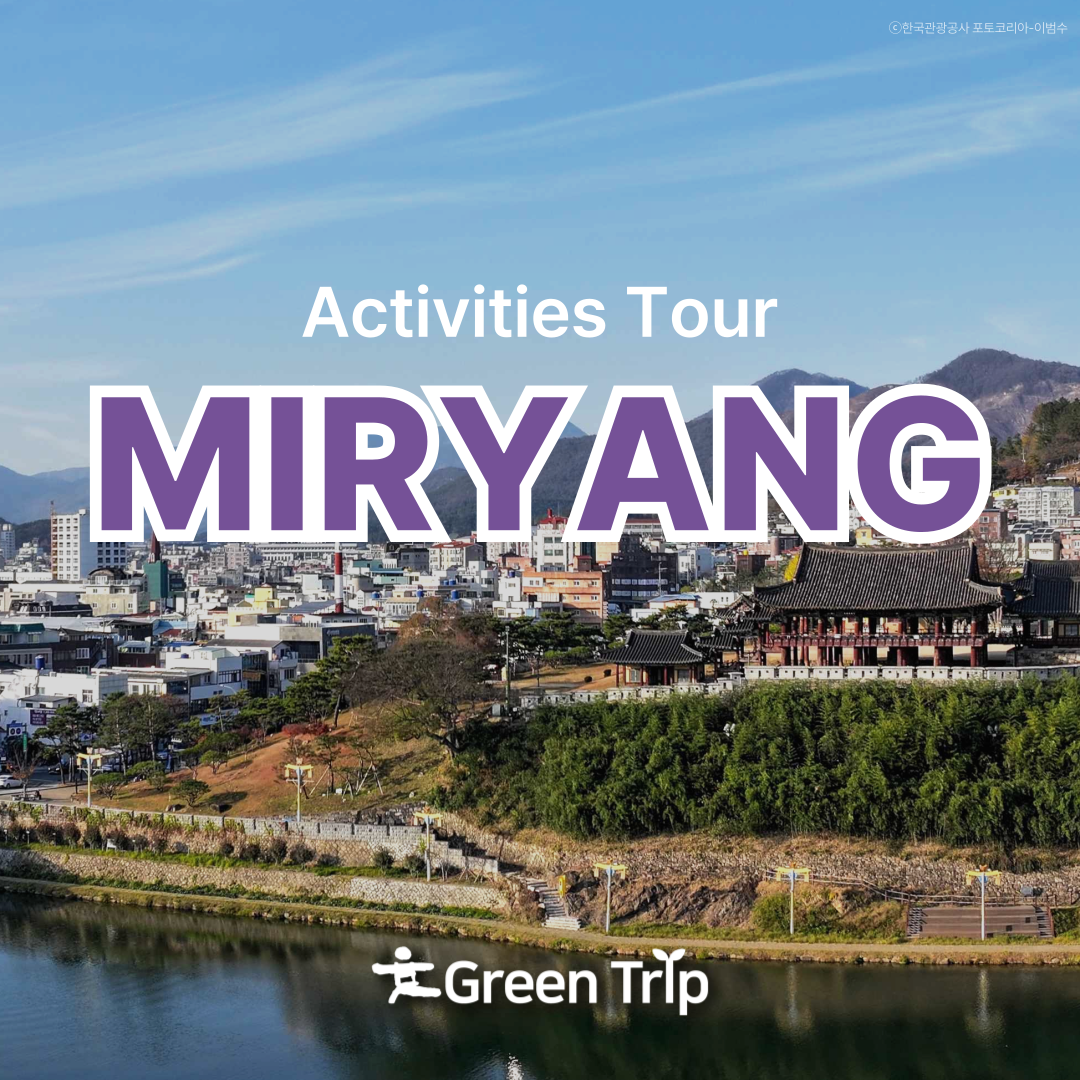
♣ ★ Tour from Busan to Miryang ☆⊙
Tour for Foreigners Only
▪Departure: Meet and depart at Busan Station Exit 2
▪Operating Day: Monday, Wednesday, Friday, Saturday, Sunday
▪People: minimum 10 people
▪Transportation: Bus
- Change according to the number of people
( 25-seater bus, 45- seater bus )
▪Tour Price: 80,000₩
* Included : Transportation, admission fees, activity, guides
(Lunch and cafe expenses are not included.)
▪Yeongnamru Pavilion
(Treasure No. 147) originated from a building attached to Yeongnamsa Temple, which was built in Silla Dynasty.
Since then, the pavilion was become a larger independent building.
Yeongnamru Pavilion is one of the greatest wooden architecture from late Joseon Dynasty, with 5 blocks in the front,
4 blocks on the sides, and the second floor is made in a style called naewoejin. The magnificent style creates proud yet picturesque beauty,
which place Yeongnamru Pavilion as one of the three greatest pavilions in Korea. It is located on th cliff over Miryang River.
People look over the town from there or take a rest while they are walking along the river trail.
The sights of clear and pristine Miryanggang River combine with the pavilion create a breathtaking beauty.
The night scenery of the pavilion, reflected on the waters of the river, make it a supreme tourist attraction.
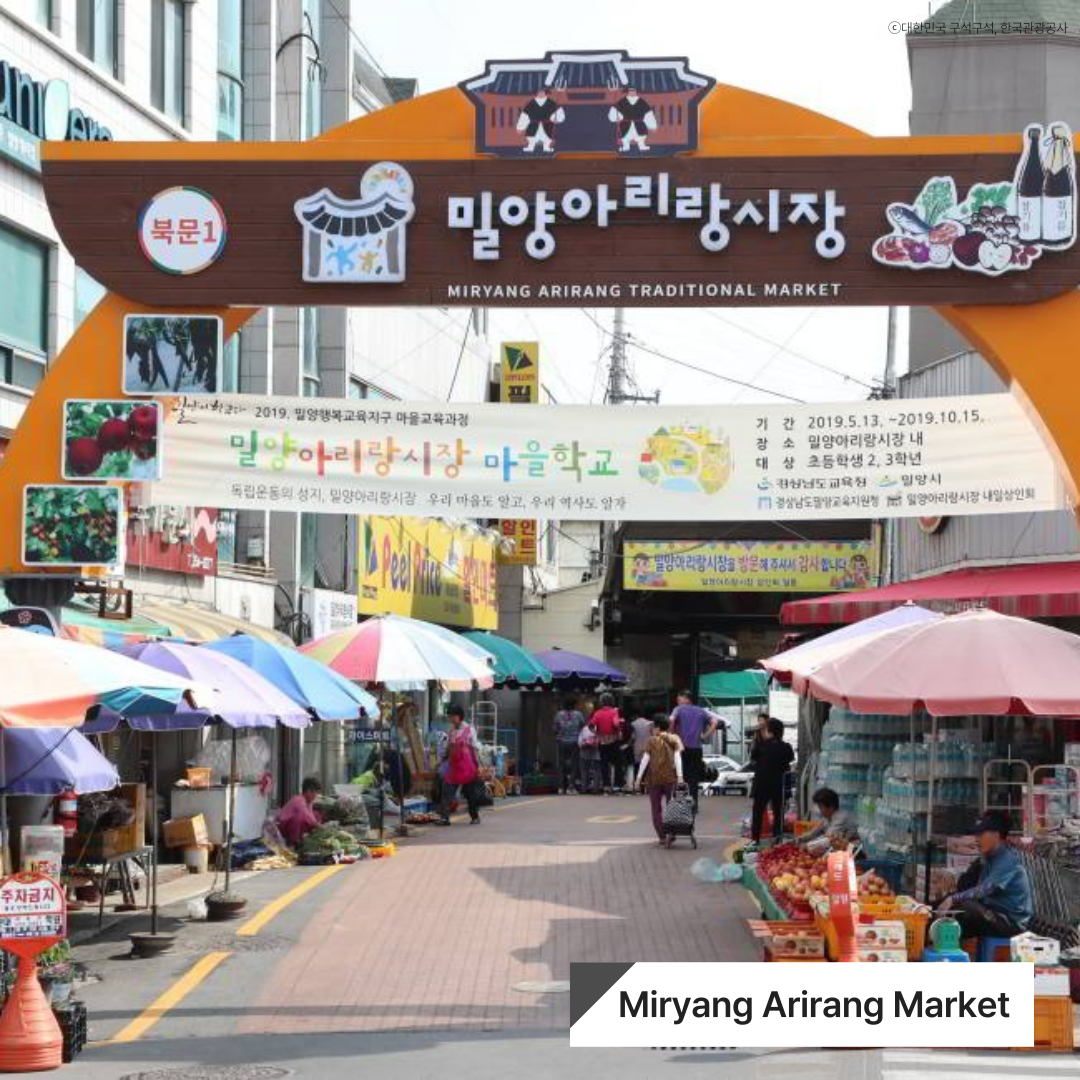
▪Miryang Arirang Market,
which has been around since 479, is a traditional market that preserves the culture of small towns and rural areas as well as its long history.
In 2017, Arirang Market and Naeil Traditional Market were merged to create Miryang Arirang Market.
There are a variety of shops, from agricultural and marine products and household goods stores to restaurants such as pork soup, loach stew,
and barley rice, providing a variety of things to see and eat to those who visit the traditional market.
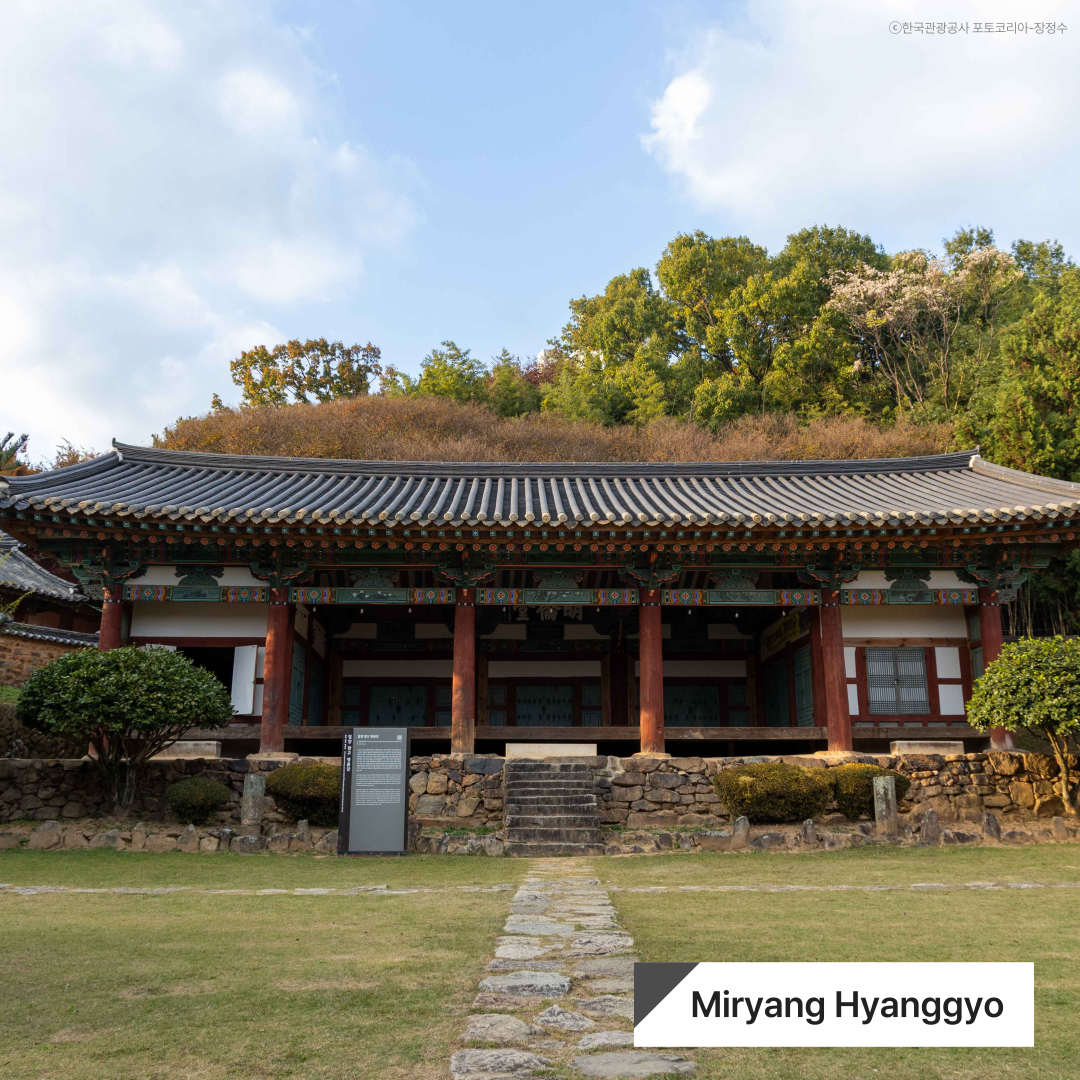
▪Milyang Hyanggyo is
a Confucian school founded around 1100 AD during the Joseon Dynasty.
Rebuilt in its current location in 1602, it is located on a hillside behind a traditional village in Milyang.
The site includes several historic buildings arranged symmetrically,
with the main hall dedicated to Confucius and other Confucian sages. It served as a key center for education and Confucian rites.
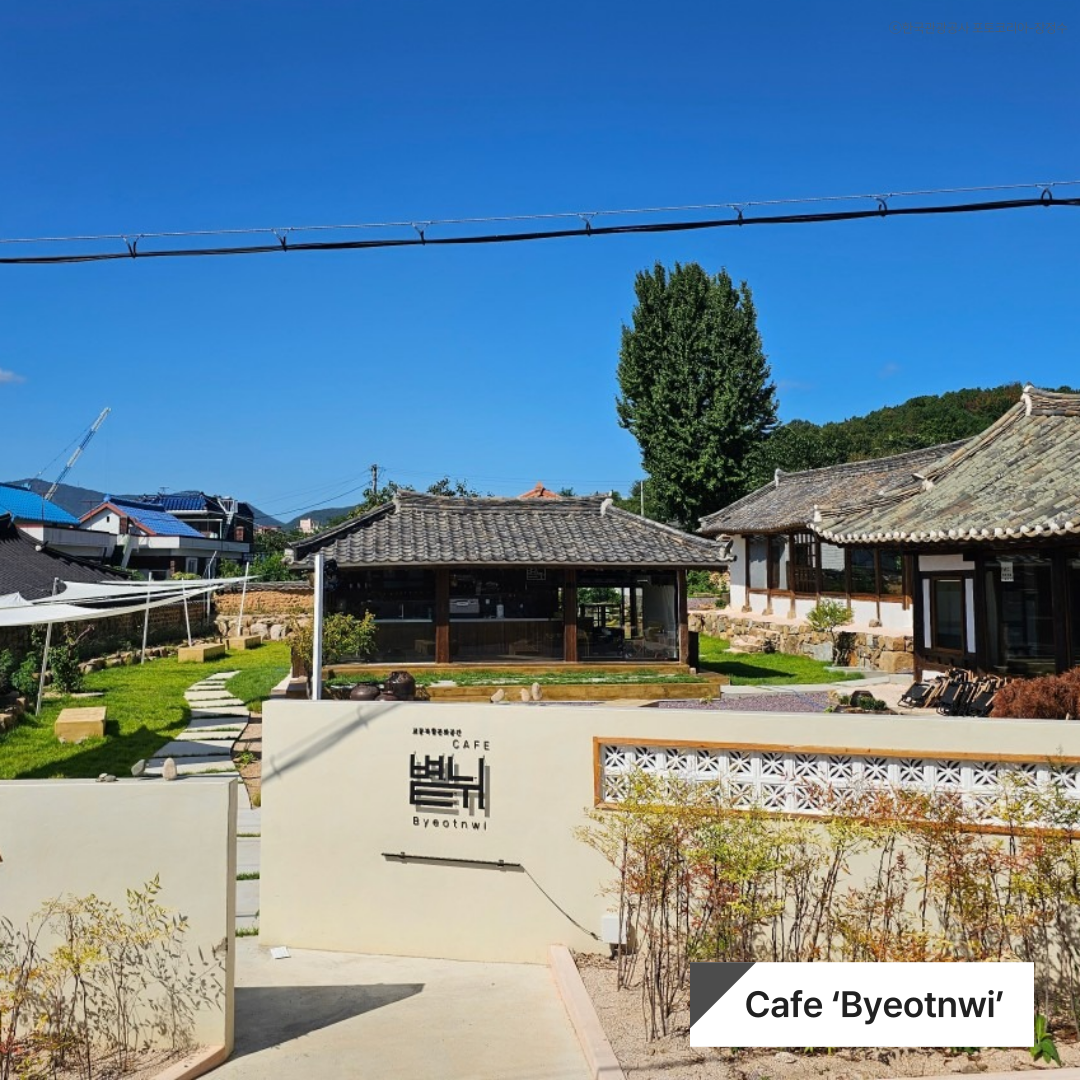
▪Byeotnwl is
a captivating complex cultural space and cafe in Miryang that breathes new life into a century-old Hanok.
Its name, meaning "a sliver of sunlight peeking through a gap," perfectly reflects the warm,
tranquil atmosphere of this restored heritage site where tradition meets modern sensibility.
More than just a place for tea, it serves as a vibrant local hub featuring art exhibitions,
cultural performances, and seasonal treats made from local ingredients. Nestled near the historic Miryang Hyanggyo,
it offers visitors a peaceful "healing" experience surrounded by beautiful courtyard views and timeless Korean architecture.
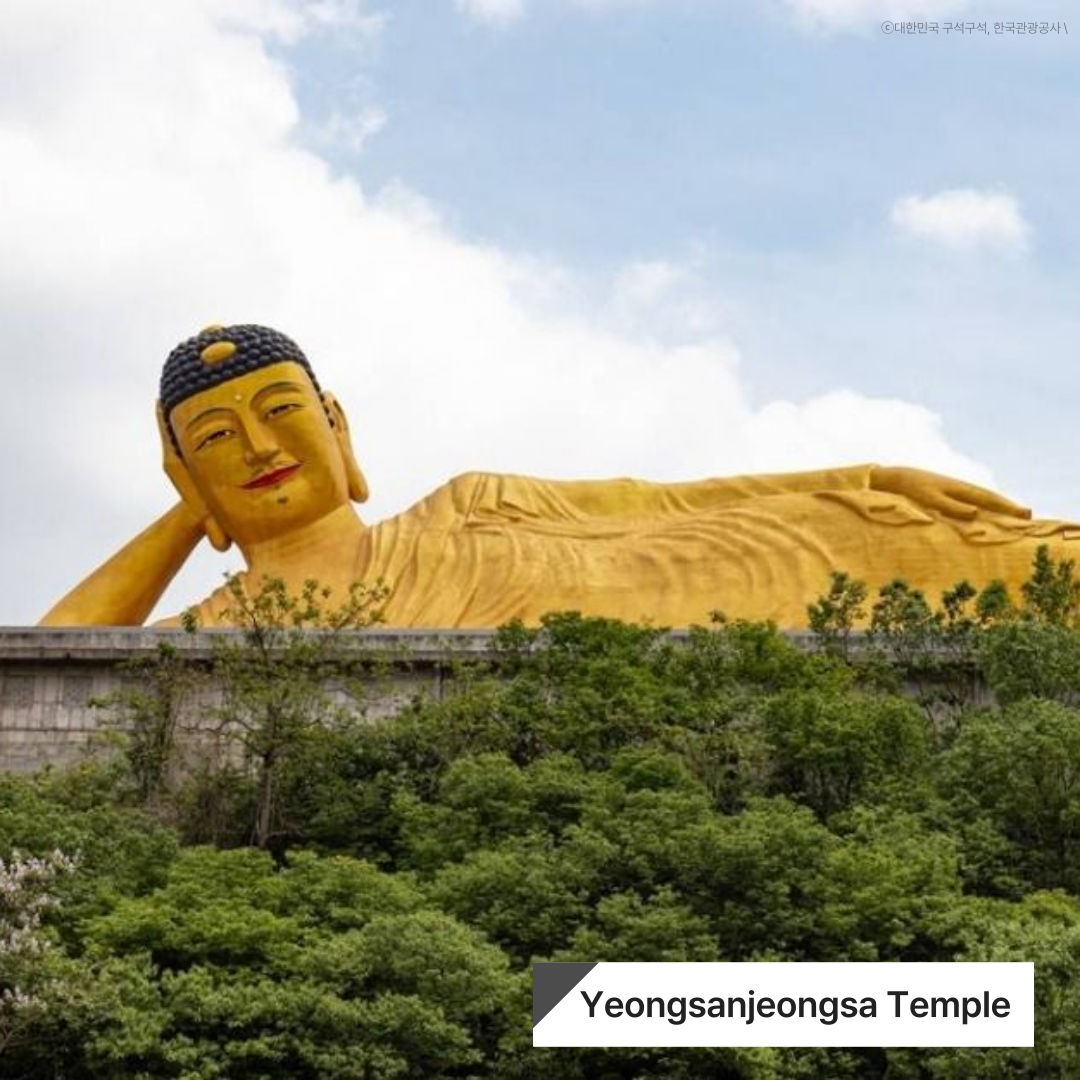
▪Yeongnamjeongsa Temple is a spiritual landmark in Miryang,
renowned for its magnificent Grand Buddha statue that gazes serenely over the surrounding mountain landscape.
This towering golden figure serves as a powerful symbol of peace and enlightenment,
drawing visitors who seek both architectural grandeur and a moment of deep reflection.
Beyond the awe-inspiring scale of the main statue, the temple grounds offer a harmonious blend of traditional Buddhist halls and well-manicured gardens.
Perched on a hillside, it provides one of the best vantage points in the region to appreciate Miryang's natural beauty,
making it an essential stop for those looking to experience the intersection of monumental religious art and tranquil nature.
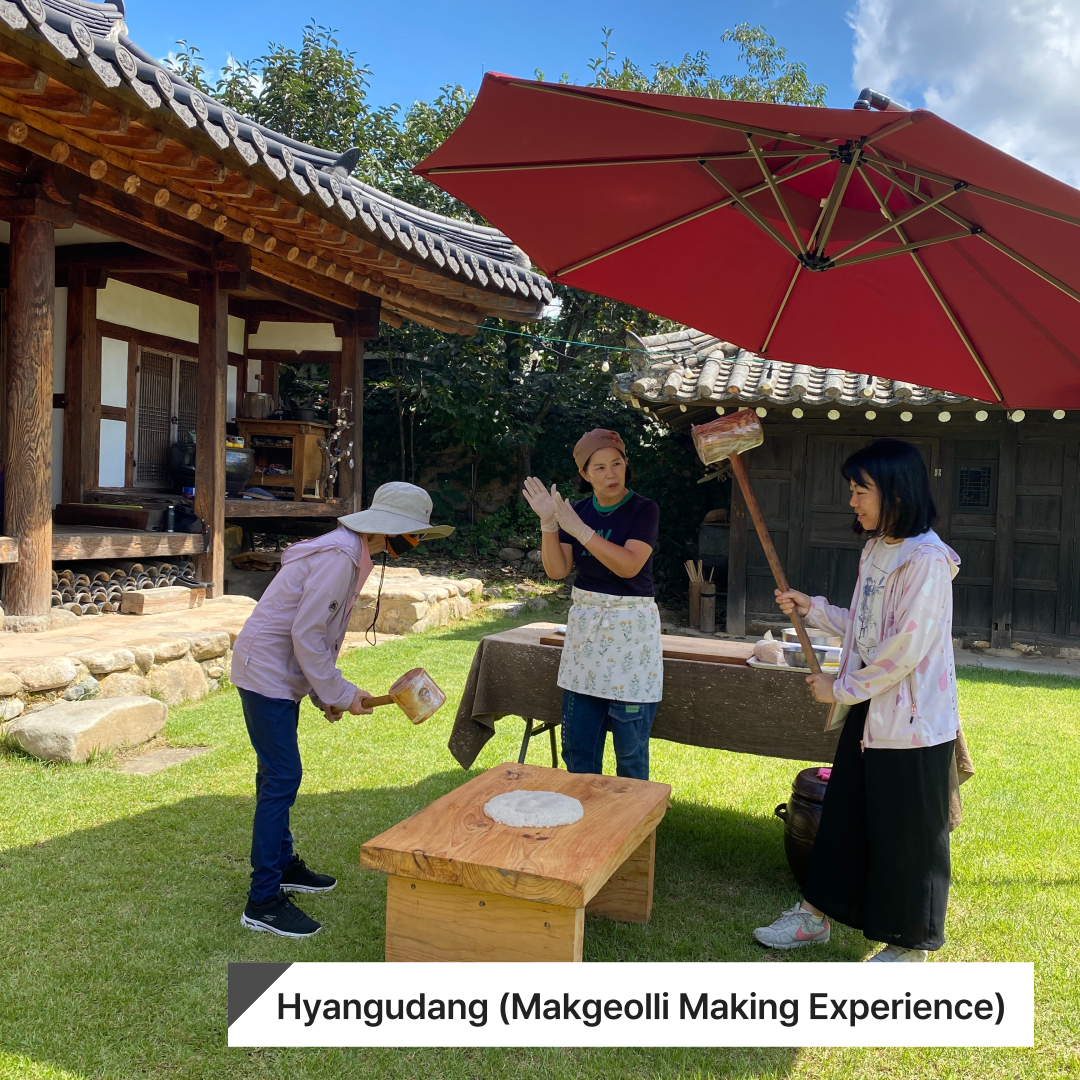
▪Experience making apple makgeolli
in the Eoreumgol area of Miryang at a 120-year-old traditional Korean hanok.
This beautifully preserved home offers an authentic setting where visitors can enjoy a variety of hands-on cultural activities,
including natural dyeing and woodworking, all within a spacious garden.
It’s a perfect destination for families looking to relax and immerse themselves in the charm of traditional Korean culture.